Understanding the psychology behind gambling behavior in casinos
The allure of risk and reward
The fundamental attraction of gambling lies in the psychological interplay between risk and reward. Casinos are designed to entice players with the promise of significant payoffs, tapping into the human tendency to pursue risk for potential gains. This thrill-seeking behavior can create a cycle of anticipation, where players continuously chase the high of winning, often overlooking the statistical reality of losses. In this context, many opt for a casino not on gamstop to enhance their experience and flexibility.
Moreover, the concept of “near misses” plays a crucial role in gambling psychology. When players come close to winning, it reinforces their desire to continue playing, as they interpret these near misses as signs of imminent success. This cognitive bias can lead to prolonged gambling sessions, ultimately obscuring rational decision-making and increasing the likelihood of losses.
The impact of environment and design
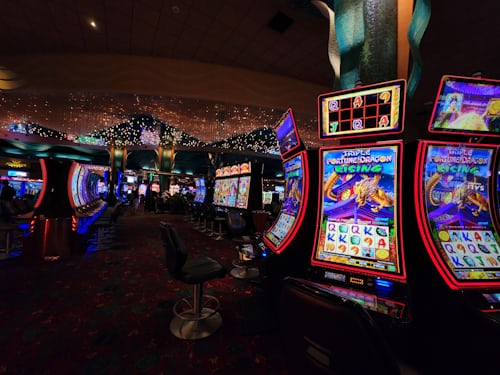
The environment within a casino significantly influences gambling behavior. Color schemes, lighting, and sound effects are meticulously crafted to create an immersive experience that stimulates excitement and distraction. The absence of clocks and windows further isolates players, making them lose track of time and heightening their engagement with the games.
Additionally, the layout of casinos encourages movement and exploration. By strategically placing games and amenities, casinos create a flow that keeps players moving from one game to another. This design fosters a sense of adventure and discovery, which can lead to increased gambling time and expenditure as players become engrossed in their surroundings.
The role of social factors
Social dynamics play a significant role in influencing gambling behavior. Many players are drawn to the communal aspects of casino gambling, where they can interact with others, share experiences, and celebrate wins collectively. This social interaction can enhance the enjoyment of gambling, making it a more appealing activity.
Moreover, peer pressure can impact individual gambling choices. Observing others winning or engaging in high-stakes betting can encourage players to adopt similar behaviors, even if it contradicts their initial strategy. This social influence can lead to increased risk-taking and a departure from responsible gambling practices, ultimately affecting players’ financial well-being.
The psychological mechanisms of addiction
Gambling addiction is a complex phenomenon rooted in various psychological mechanisms. Many individuals gamble to escape from stress, anxiety, or other life challenges, seeking temporary relief through the thrill of chance. Over time, this reliance on gambling as a coping mechanism can lead to compulsive behavior, where individuals prioritize gambling over other aspects of their lives.
The concept of cognitive dissonance also plays a role in gambling addiction. Players may rationalize their losses or convince themselves that future wins are just around the corner, leading to a cycle of continued gambling despite negative outcomes. Understanding these psychological mechanisms is essential for addressing gambling addiction and promoting healthier gambling habits.

Explore responsible gaming resources
For individuals interested in gambling, it’s crucial to engage responsibly. This website provides valuable resources for understanding responsible gaming practices, offering insights into managing gambling behavior effectively. Players can explore various strategies to set limits, recognize warning signs, and seek support if needed.
By emphasizing responsible gaming, the platform aims to create a safer gambling environment, encouraging players to enjoy their gaming experiences without compromising their financial health or well-being. Engaging with responsible gaming resources empowers players to make informed decisions and fosters a positive gambling culture.